



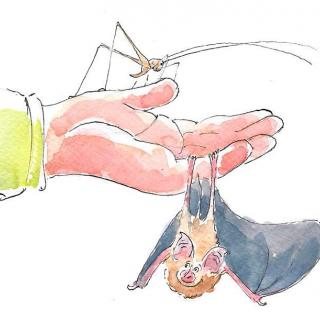
The LIFE GRECABAT Educational kit contains educational activities for elementary and secondary school children. It is thematically adapted to the objectives and actions of the LIFE17 NAT / GR / 000522 - LIFE GRECABAT project ("Greek Caves and Chiropractors: Management Actions and Behavior Change") - a deliverable of the project. The contents of the kit are related to the habitat of land caves, the relations of bats and cave invertebrates to their environment, the effect of human activities but also the need to maintain the functionality of natural ecosystems.
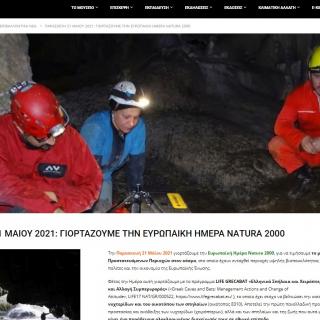 Together with Goulandris Natural History Museum we celebrate the European Natura 2000 Day, to honor the largest Network of Protected Areas in the world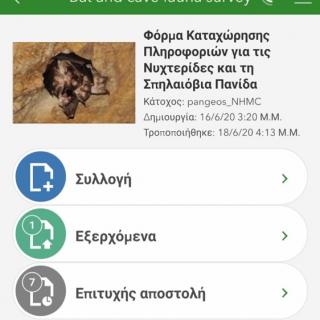
The study of cave life had from its beginnings benefited optimally from non-professional cavers, who with their courage and dedication, contributed to the collection of data/information from places unknown and inaccessible to most researchers of their time.
Intending to enhance citizen science, LIFE GRECABAT, among other things, developed a special application for smart devices (smartphones & tablets) and web browsers.
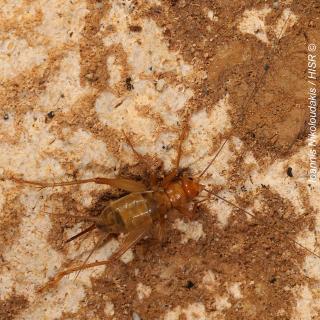 𝑂𝑣𝑎𝑙𝑖𝑝𝑡𝑖𝑙𝑎 𝑙𝑖𝑛𝑑𝑏𝑒𝑟𝑔𝑖 (Chopard 1957).
 The Opening Ceremony for the 2021 International Year of Caves and Karst will be held virtually on January 26th at YouTube.